
Roof Algae & Lichen Removal in Shoreline, WA
Not everything green — or black — on your roof is moss. Algae streaks and crusty lichen need different treatment than moss, and using the wrong approach wastes your money. We identify what's actually growing and treat each correctly.
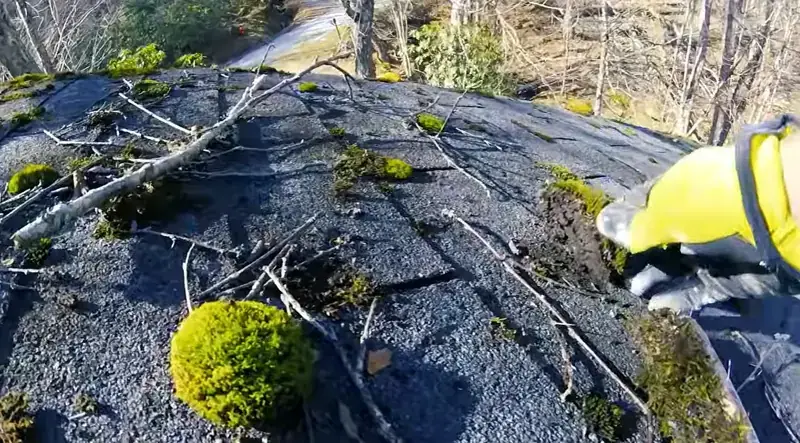
Moss vs. Algae vs. Lichen: Why It Matters
Black streaks (gloeocapsa magma algae): the most common roof discoloration in Shoreline. This blue-green algae feeds on the limestone filler in asphalt shingles, spreading in streaks down the roof. It's mostly cosmetic at first but accelerates shingle aging — and it makes your roof look terrible.
Lichen: the crusty, pale-green or white patches that look like they're painted on. Lichen bonds tightly to the shingle surface — aggressive scrubbing to remove it pulls granules off with it. It needs chemical treatment and patience, not elbow grease.
Moss: the thick, spongy green mats. Different root structure, different removal approach — manual lifting plus treatment.
Our Approach to Each
- Algae streaks: soft wash with algaecide solution — streaks fade over days to weeks, roots killed
- Lichen: targeted chemical treatment, then gentle removal once the bond breaks — never aggressive scraping
- Moss: manual removal of mats, then soft wash and prevention treatment
- Mixed growth: common in Shoreline shade — we sequence treatments correctly
- Full prevention treatment after cleaning, whatever the growth type
Why Algae Hits Shoreline Roofs So Hard
The black streaks have a name: gloeocapsa magma, a blue-green algae that feeds on the limestone filler used in asphalt shingles. The Asphalt Roofing Manufacturers Association confirms this is the cause of most roof discoloration streaking. Once established, each streak releases spores that spread downward with every rain, which is why the staining always runs in vertical lines.
Shoreline gives this algae everything it wants: months of damp, humid air for spores to travel, and shaded north slopes where the roof never fully dries. Newer shingles with algae-resistant copper granules resist it better, but most roofs in Shoreline predate that technology or have worn past its effective life.
Most homeowners misdiagnose it first. From the ground, black streaking gets mistaken for chimney soot, tree sap, or shingles rotting away. What looks like decay is actually a living colony, and it needs a completely different fix than any of those guesses. If your roof is steep or you are not steady on a ladder, that is one more reason to let a professional handle it. No streak is worth a fall.
Black Streaks, Insurance, and Curb Appeal
Here is the practical side. Algae streaking is the most visible roof problem there is: it photographs terribly, it is the first thing a buyer's inspector notes, and it is what insurance inspectors see from the street. The growth itself damages shingles slowly by holding moisture against the surface and accelerating granule loss, but the cosmetic impact usually costs homeowners first, at sale or renewal time.
The good news is that streaking responds well to treatment. A soft wash with the right algaecide kills the colonies, the streaks fade over the following weeks, and a prevention treatment keeps them from re-establishing. It is one of the more straightforward fixes in roofing. Like all our work, removal is done with roof soft washing — never pressure.
Algae & Lichen Questions
Algae and lichen usually show up alongside moss. Our Shoreline roof moss removal service deals with all three in the same visit.
Streaks, Spots, or Mats — We'll Sort It
An inspection identifies exactly what's growing on your roof.
📞 Call (206) 864-5935