
Zinc Strip Installation in Shoreline, WA
Zinc and copper strips are the most oversold product in roof moss prevention. Here's what they actually do, what the research says, and the downsides most sellers never mention.
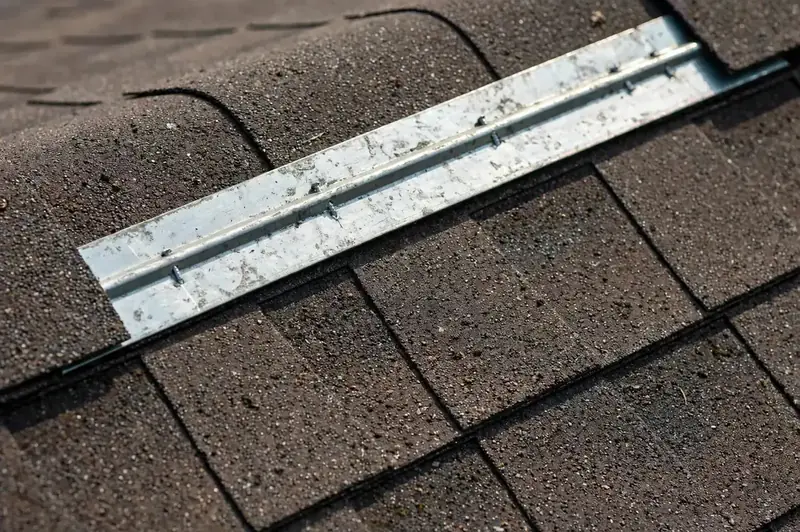
How Zinc Strips Work — and Their Real Limits
Zinc strips sit near the roof ridge. When it rains, water picks up tiny amounts of zinc and carries it down the roof slope, creating a zone where moss struggles to grow. The concept is sound — and on a clean roof, strips do slow regrowth.
Here's what most installers won't tell you: the effective range is limited — typically about four feet below each strip, based on what roofing contractors report in the field. In the Pacific Northwest's aggressive moss climate, strips alone won't keep a shaded Shoreline roof clean. Professional roof cleaners in Portland and Seattle report seeing moss growing happily just feet below installed strips.
What the Research Says
Oregon State University Extension has studied moss control on roofs in our region for years. Their guidance confirms zinc works against moss — but with two cautions most installers skip: Do they actually work? We break it down in do zinc strips work.
- Aquatic toxicity: zinc is toxic to aquatic life at higher exposures. In the Puget Sound region, roof runoff reaches storm drains and waterways — something to weigh before adding more zinc to the watershed.
- Copper corrosion: Oregon State specifically warns not to use zinc sulfate treatments where you have copper gutters, downspouts, or flashing — zinc corrodes copper. The same chemistry applies to runoff from zinc strips.
Read it yourself: Oregon State University — "Maintaining a moss-free roof takes some effort".
When Strips Make Sense
- Installed on a freshly cleaned and treated roof (never over existing moss)
- As a supplement to professional biocide treatment, not a replacement
- Best installed during re-roofing — tucked under ridge caps, no exposed fasteners
- Copper strips are more effective than zinc but cost more
- Retrofit installation done with proper sealing — no leak-prone nail holes
Zinc vs. Copper
Zinc: cheaper, widely available, moderately effective. The standard choice for most homes.
Copper: more effective at killing moss, but significantly pricier. Worth considering on high-value roofs or severe shade situations.
What to avoid: face-nailing strips through shingle faces. Every nail hole is a potential leak — proper installation tucks strips under a shingle course with sealed fasteners.
Installation Mistakes We Fix Every Year
Most of the strip work we get called to correct falls into the same handful of errors. Face-nailing strips through the shingle surface is the big one: every nail hole is a future leak, and sealant around a nail in our rain has a limited life. Proper installation tucks the strip under a shingle course near the ridge with sealed fasteners, so water sheds over it instead of into holes.
The other common mistakes: installing strips over existing moss (they prevent growth; they do not remove it, so you are just decorating the problem), placing strips too far down the slope where runoff has already lost its zinc load, and treating strips as a substitute for professional treatment. Strips are a supplement. They were never designed to carry the whole job in a climate like ours. Strips work best alongside moss treatment and prevention.
The Honest Math on Strips in Shoreline
Here is the tradeoff to weigh. Shoreline's heavy rainfall washes zinc off the strips faster than in drier regions, which is why meaningful effectiveness here runs closer to three years than five. Over that same period, a professional prevention treatment applied on schedule keeps the entire roof clear, not just the zone below the ridge.
That does not make strips useless. On a clean, treated roof with a simple unshaded slope, they are a reasonable extra layer. But if you are choosing between strips and treatment on a budget, treatment wins on coverage every time. We install strips for customers who want both, and we talk others out of strips when treatment alone is the smarter spend.
Getting Zinc Strips Installed in Shoreline
Installation is a short visit, usually combined with a cleaning so the strips start on a clean roof. We fit the strips along the ridge — the placement that lets rain wash zinc ions over the whole slope — seal the laps, and check the rows below for existing moss that strips alone won't remove. If your roof only needs strips on one slope, we will tell you; not every roof needs both sides done.
Already have strips that stopped working? Most of the time they are oxidized over, installed too low, or were asked to kill moss that was already established. We inspect them as part of the visit and tell you honestly whether they are worth keeping.
Zinc Strip Questions
Zinc strips work best as one part of a complete job. See how they fit into our roof moss removal service in Shoreline, WA alongside cleaning and treatment.
Want Honest Prevention Advice?
We'll assess your roof and tell you what will actually work — even if the answer isn't strips.
📞 Call (206) 864-5935