
Roof Inspection in Shoreline, WA
We're already on your roof — so we check everything. Our inspection looks beyond the moss: lifted shingles, failing flashing, granule loss, and gutter condition. The wet season finds every weakness; we find them first.
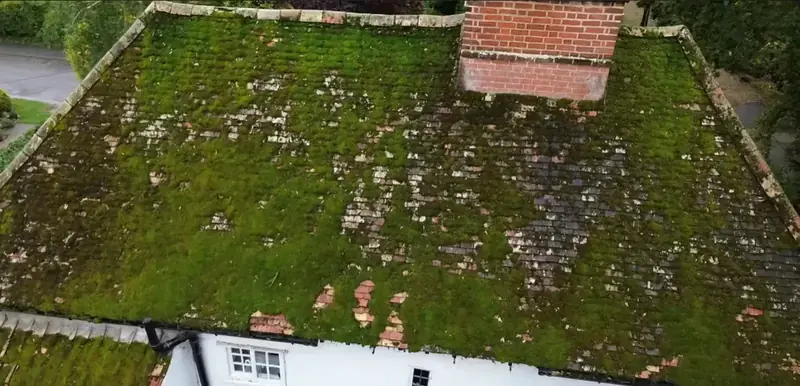
What Our Inspection Covers
Moss is often a symptom, not the whole story. Thick moss hides lifted shingles. Shaded, damp roofs develop flashing failures faster. And granule loss — sometimes from a previous pressure washing — only shows up on close inspection. Our inspection catches all of it while we're already up there. If the roof needs it, we follow up with roof soft washing.
- Moss, algae, and lichen extent and severity
- Lifted, curled, or missing shingles
- Flashing condition around chimneys, vents, and skylights
- Granule loss and shingle wear patterns
- Gutter and downspout condition
- Tree shade and drainage issues feeding regrowth
- Honest assessment: clean, treat, monitor, or call a roofer
Chasing an active leak instead? A roof leak detection visit starts from the stain and traces the water back to where it is getting in.
When to Get Inspected
Before the wet season (September–October): the smartest timing. Fix vulnerabilities before months of rain exploit them.
After a big storm: wind lifts moss-loosened shingles that were barely hanging on.
When buying or selling: moss is one of the first things home inspectors flag — address it before it becomes a negotiation point.
If it's been 2+ years: Shoreline roofs change fast. What was a light tint two years ago can be a thick mat today.
What Shoreline's Climate Does to a Roof
Seattle sees roughly 150 days of measurable rain a year, and Shoreline sits right in that pattern with Puget Sound moisture added on top. That means your roof rarely gets a real chance to dry out between October and April. Constant dampness is what lets moss, algae, and lichen establish in the first place, and it is what turns small vulnerabilities into real damage.
Add the tree cover. Heavily wooded streets in Richmond Beach, Innis Arden, and around Echo Lake keep roofs shaded for most of the day, and north-facing slopes in those neighborhoods can stay damp for weeks at a time. Shade plus moisture plus time is the entire formula for roof growth. An inspection tells you where your roof sits on that curve and how fast it is moving.
Moss, Insurance, and Resale
Two practical reasons to inspect before there is an obvious problem. First, home inspectors flag moss growth routinely, and in a sale it becomes a negotiation point or a repair demand. Addressing it on your schedule is cheaper than addressing it on a buyer's timeline.
Second, insurers have grown stricter about roof condition. A roof visibly neglected under moss can draw questions at renewal time. An inspection gives you documentation of your roof's actual condition and a plan to keep it that way, which is a stronger position than hoping nobody looks. We have heard from homeowners who had to clear roof growth just to get a policy renewed. It is a miserable way to discover the problem.
Inspection Questions
Every job starts here: an inspection is step one of our Shoreline, WA roof moss removal service, before any cleaning is quoted.